
Beyond the Screen
Written by: Evy Ayers, Grade 12, Monsignor Doyle Secondary School
The effects of media on the adolescent population
As society moves further into the digital age, it's important for families and friends to be mindful of the media they consume. To teach students about mindful media consumption, Monsignor Doyle Catholic Secondary School held its third annual phone fast on March 27, 2024. During this event, students successfully abstained from using their cellphones for up to 24 hours. A previous article provided more information to explain how this experience changed the students' views on technology use.
Many adolescents have become reliant on media for an abundance of resources, whether for work, entertainment or learning. When using their electronics, younger individuals are often drawn to media platforms, their attention captured by a steady influx of information and imagery. What does the consumption of digital media really mean for our adolescents? How is it affecting the broader population?
In a conversation with neuroscience PhD student Michaela Kent, she shared her insights on how she views this issue. She expanded on common questions many students and families ask about how the influx of digital media affects our brains and behaviours.
Kent was first asked the straightforward question on everyone's mind: how does screen time really affect individuals? She stated: "In one large longitudinal study on brain development, they found that increased screen time was linked with things like impaired social skills, depression, anxiety and worse sleep patterns." She clarified, however, that "researchers are finding behavioural changes linked with high screen time, but there isn't as much evidence for actual changes to brain structure."
After briefly discussing the apparent links between mental health and social media, Kent provided more details. In the effort to mindfully consume, it's essential to admit that most of our screen time is spent scrolling through social media. In her own research, Kent hasn't found a significant connection between mental health and social media usage, but she points to findings from other researchers.
"Some work in our lab during the pandemic found high screen time was associated with anxious and depressive symptoms, but this wasn't specifically linked to social media," she said. "Some other studies have looked at social media and found that it was specifically linked to anxiety in adolescents."
"This is definitely concerning, given the prevalence of social media these days. I would say this is something really worth studying more, and over longer periods of time, because it's important to understand how closely linked depression, self-esteem and media usage are if we want to encourage people to reduce their time on screens."
When considering the negative effects of screen time, it's easy to conclude that "all media is bad," but that's not the case. Kent stresses that technology and staying connected can have many benefits. "Sometimes media and screens can actually help us stay socially connected to others, especially during the pandemic. What would we have done without Zoom and FaceTime to keep in touch?"
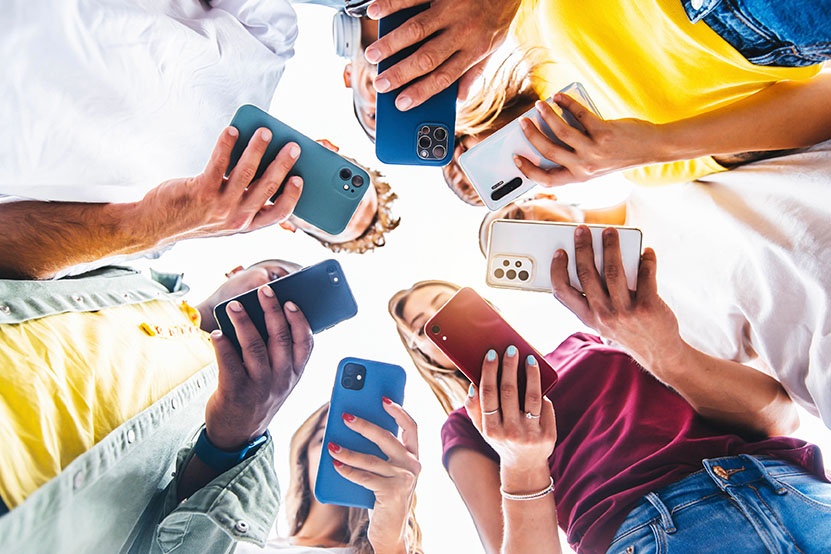
"I think the important thing to keep in mind is the type of content being consumed and whether it makes us feel good — for example, learning something useful on YouTube or catching up with a friend's news — or if we feel worse, like when we compare ourselves to models or celebrities on Instagram."
As mentioned earlier, a decline in mental health is a concern for many adolescents. Being mindful of the media we consume can greatly affect whether we feel satisfied or drained. As Kent pointed out, there are many benefits to consistent screen usage. Staying connected with loved ones, learning new skills, or making new connections can be incredibly fulfilling. However, if we don't remain diligent and responsible with how we use media, it's easy for a source of happiness to turn into a source of dread.
In a final statement, Kent said, "I think it's really important to have open discussions about why we should be careful with media consumption. It's not always as straightforward as saying, 'This is bad for you, so you shouldn't do it.' When I talk to people about some of the research we're doing, they're often shocked to hear about the links between screen time and the brain."
"Especially during childhood and adolescence, when the brain is undergoing so many changes, it could be harmful to spend a lot of time using social media. Remember, not all screen time is bad, and it won't affect everyone the same way. But we should be aware of the possible negative consequences for the brain and mental health."
When considering the opposing impacts of media, it's comparable to other aspects of life. For example, someone may land their dream job and feel accomplished and overjoyed. However, too much of a good thing can quickly become bad. If someone overworks themselves or finds themselves in a toxic workplace, this "dream job" can quickly turn sour.
It's important to remember that media isn't always bad. We need to remain mindful of our consumption, just as we should with everything else in life. How an individual experiences media is up to them, which is why it's essential to encourage adolescents to be mindful while their brains are still developing. Maintaining balance in life is one of the most effective ways to ensure that the things we enjoy don't become sources of anxiety.
This article is part of the WCDSB Jr. Journalist program, an initiative designed to provide journalistically inclined secondary students with a platform to share stories from their school and showcase their impressive talents.
Are you a Secondary School student interested in joining the program? If so, please contact Lema.Salaymeh@wcdsb.ca